Timber roof trusses have served Australian builders well for a long time, and they're still a sensible choice on many jobs. Steel trusses bring a different set of strengths. Here's a fair comparison to help you decide which suits your next roof.
Weight and handling
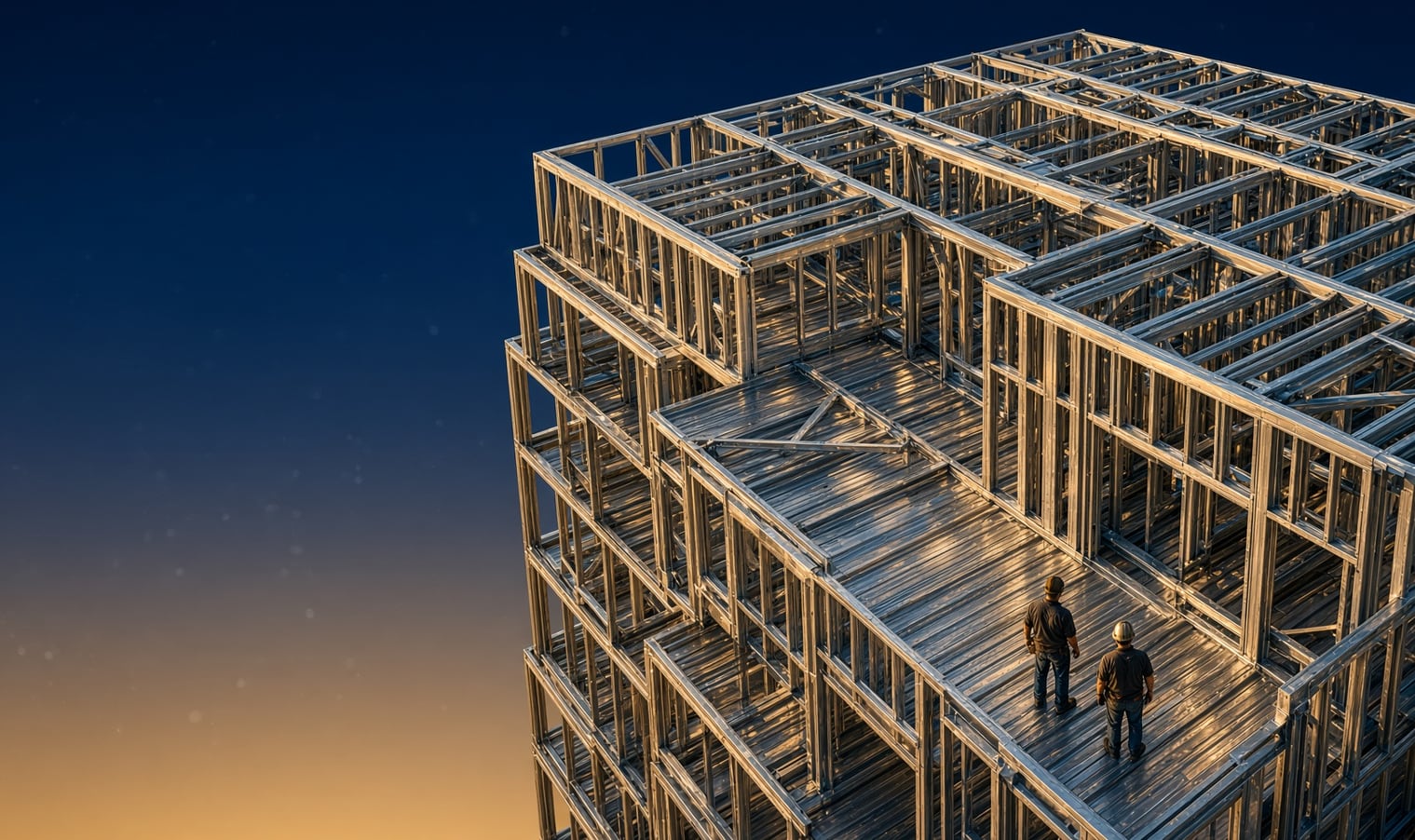
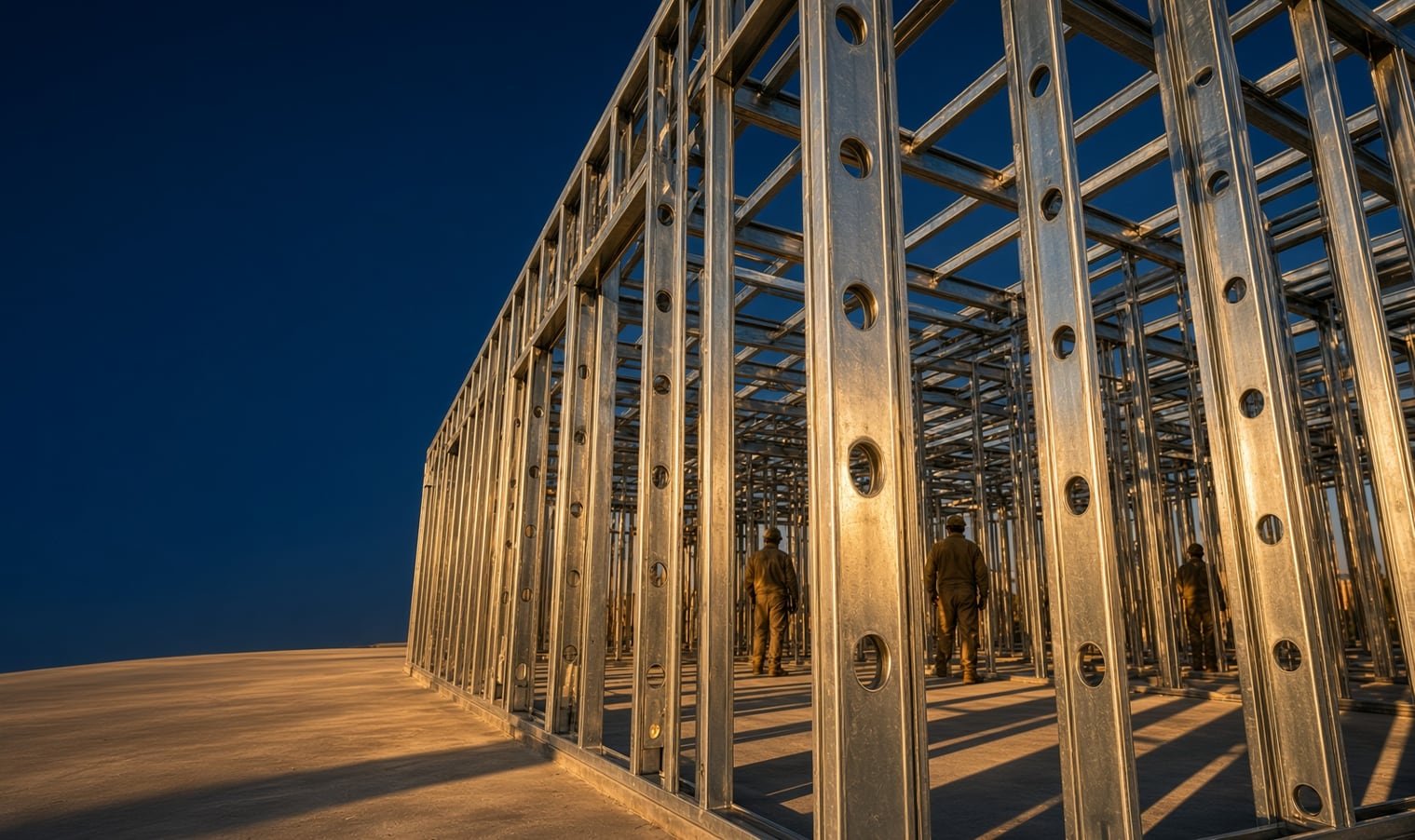
Light gauge steel trusses are generally lighter than equivalent timber trusses, which makes them easier to handle and lift. On larger roofs that can mean fewer or smaller crane lifts and quicker placement.
Straightness over time
Timber can move as it dries and with changes in humidity, which sometimes shows up as uneven ceilings or roof lines. Steel doesn't shrink or warp, so a roof that's straight on the day it's installed tends to stay that way.
Termites and fire
Steel isn't food for termites and the truss itself is non-combustible. In termite-prone areas this removes one ongoing risk to the roof structure. The whole roof assembly still needs to meet the fire and bushfire requirements for your site.
Design flexibility
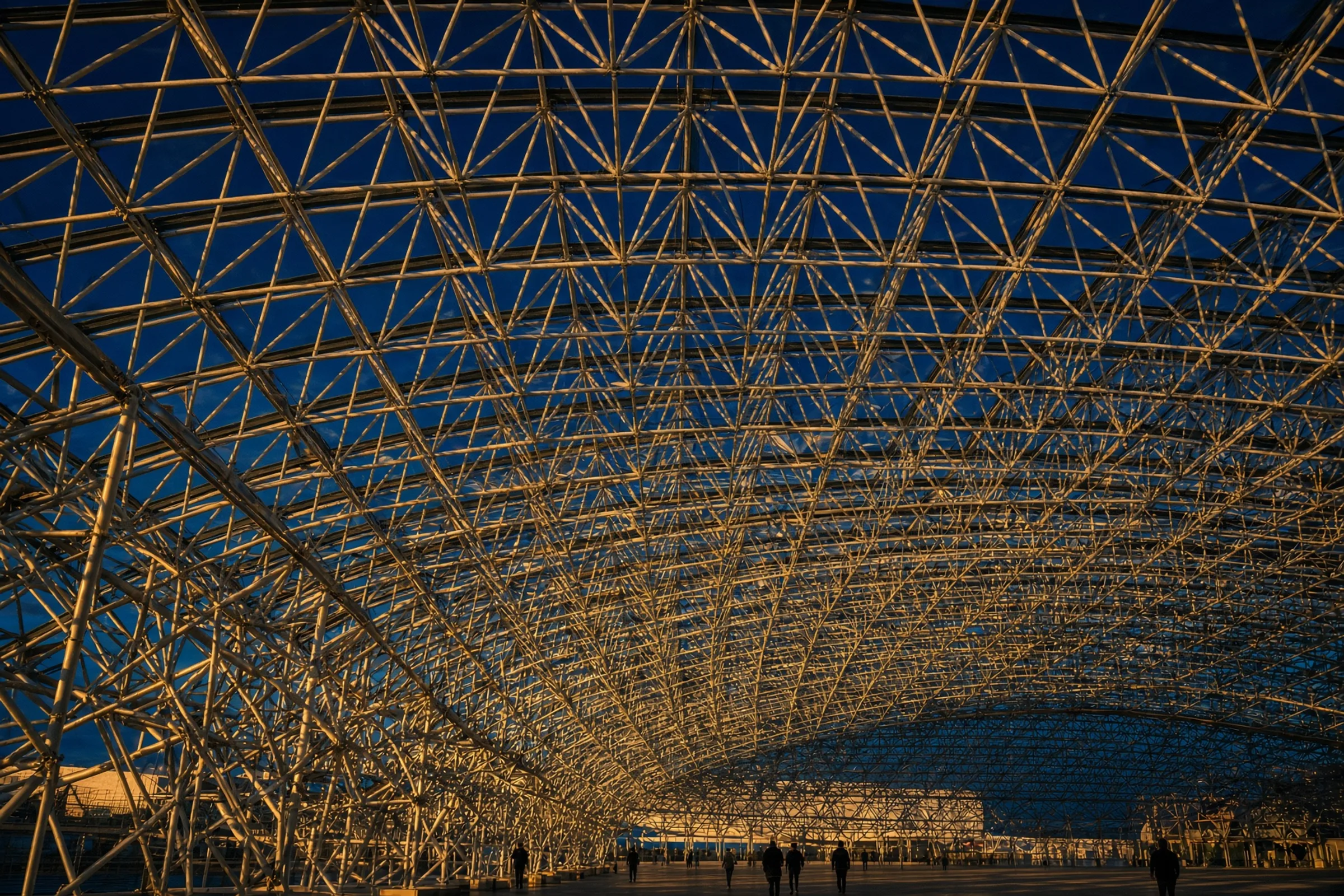
Both systems can handle common hip, gable and skillion roofs. Steel trusses are designed and made from a digital model, so complex geometry and long spans can be engineered and manufactured accurately, but the design does need to be finalised before production.
Installation
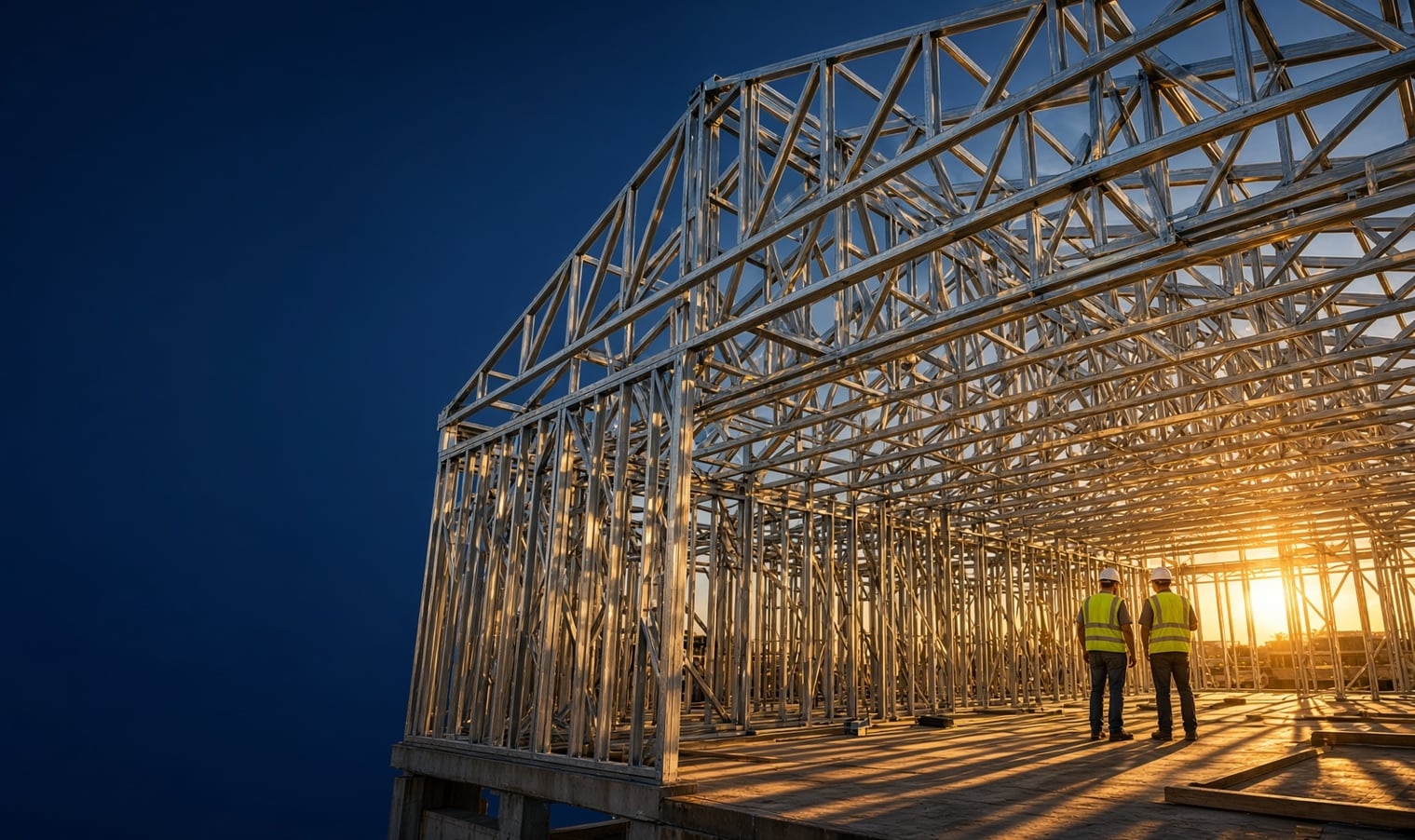
Steel trusses are fixed with screws and engineered brackets rather than nails. Crews used to timber adapt quickly, but the first job is easier with clear drawings and someone to call. Prefabricated, labelled trusses help keep the process predictable.
Cost
Comparing material prices alone can be misleading. Consider installation time, waste, rework, call-backs for uneven ceilings, and the value of a termite-proof structure to your client. On some jobs timber will still come out ahead; on others steel is the better buy.
So which should you use?
- Choose steel when straightness, termite resistance, long spans or a non-combustible structure matter to you or your client.
- Choose timber when your crew, suppliers and design are already set up around it and the site doesn't call for steel's advantages.
Not sure which suits your roof? Send us the plans and we'll give you a clear steel option to compare.

Written by
Sudhir Patel
CADROLL


 Industry Insights